Why Are Customers Finding Your Business Online but Choosing Someone Else in Coon Rapids, MN?
Why Are Customers Finding Your Business Online but Choosing Someone Else in Coon Rapids, MN?
Getting your business noticed online is an important first step, but visibility alone doesn't guarantee new customers. Many small business owners throughout Coon Rapids, Blaine, Andover, Anoka, and the Twin Cities invest time and money into marketing without understanding why potential customers aren't calling, requesting estimates, or scheduling appointments. The problem may not be a lack of interest in your services. Instead, customers may be finding your business on Google Maps, visiting your website, checking your social media pages, or reading your online reviews before deciding to contact a competitor. Understanding how these different parts of your online presence work together can help you identify missed opportunities and turn more online searches into actual customers.
Why Doesn't Showing Up on Google Guarantee New Customers?
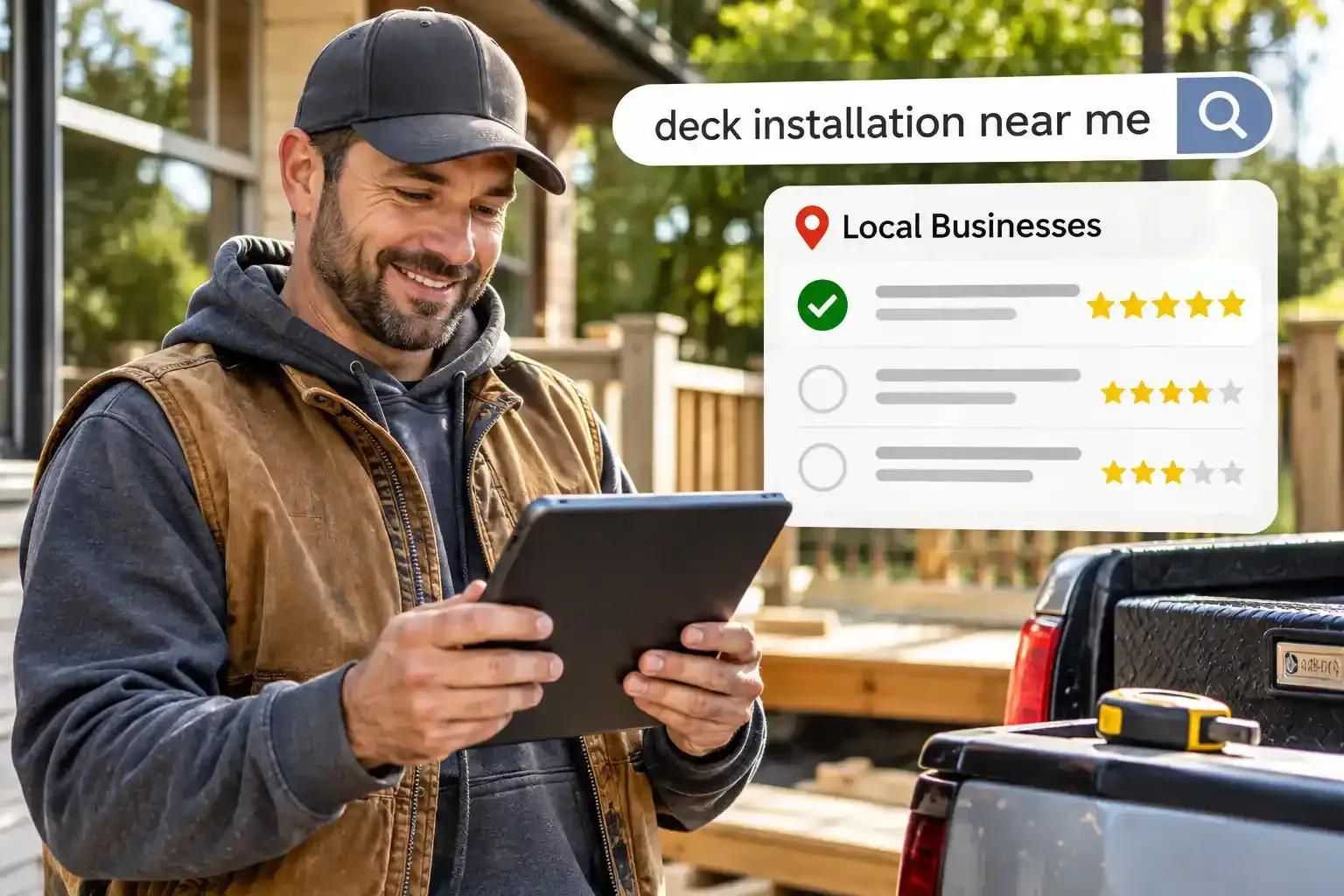
Appearing in Google search results or on Google Maps gives potential customers an opportunity to discover your business, but it doesn't automatically convince them to choose you. When someone searches for a plumber, roofing contractor, cleaning company, landscaper, or another local service provider, they often compare several businesses before making contact. They may look at reviews, photographs, business information, websites, and recent activity to determine which company seems most trustworthy. If your business has incomplete information, an outdated website, or very few reviews, customers may continue searching. Effective local digital marketing involves more than simply appearing online. It also means giving customers reasons to feel confident about contacting your business.
What Happens After Someone Finds Your Business on Google Maps?
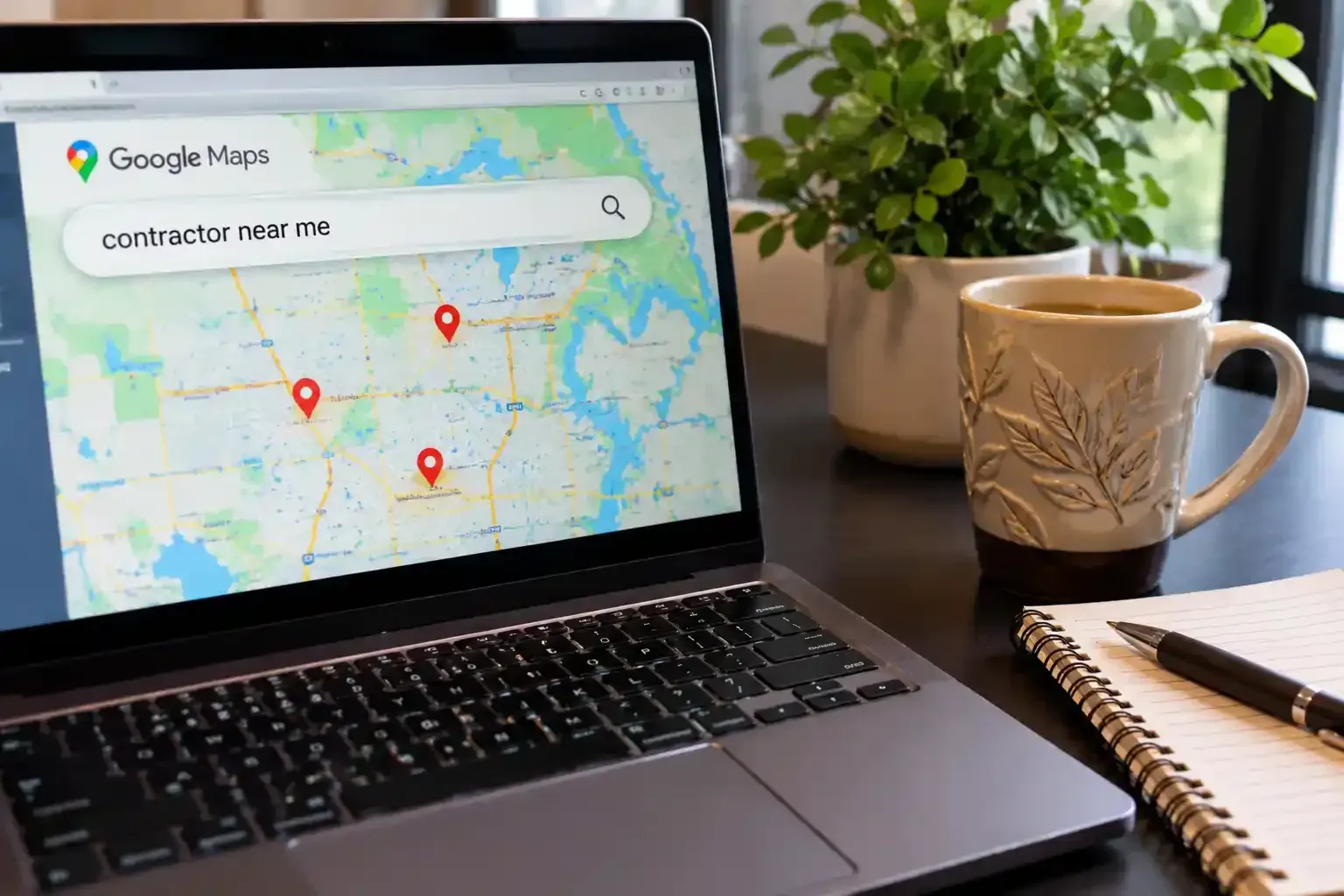
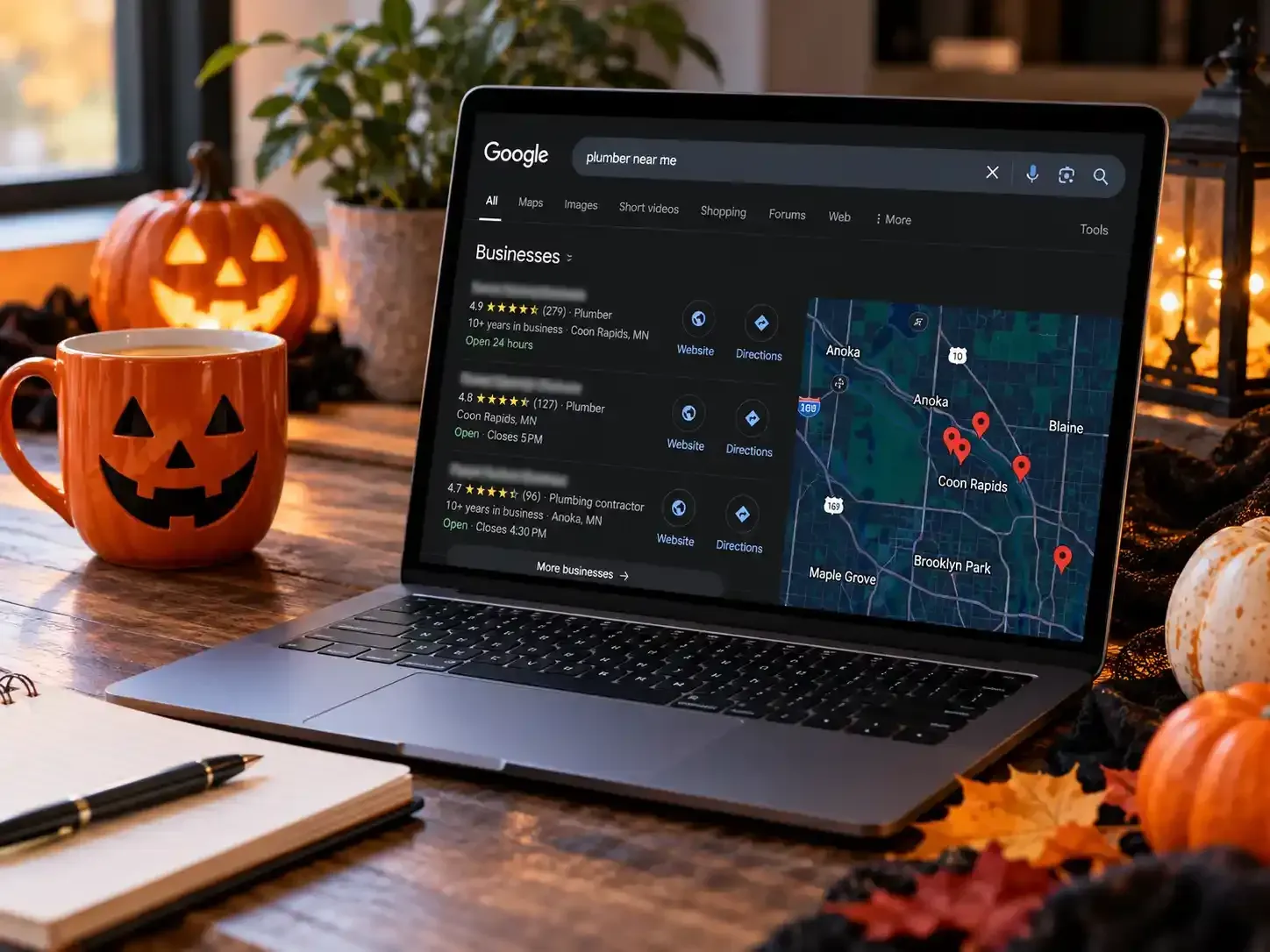
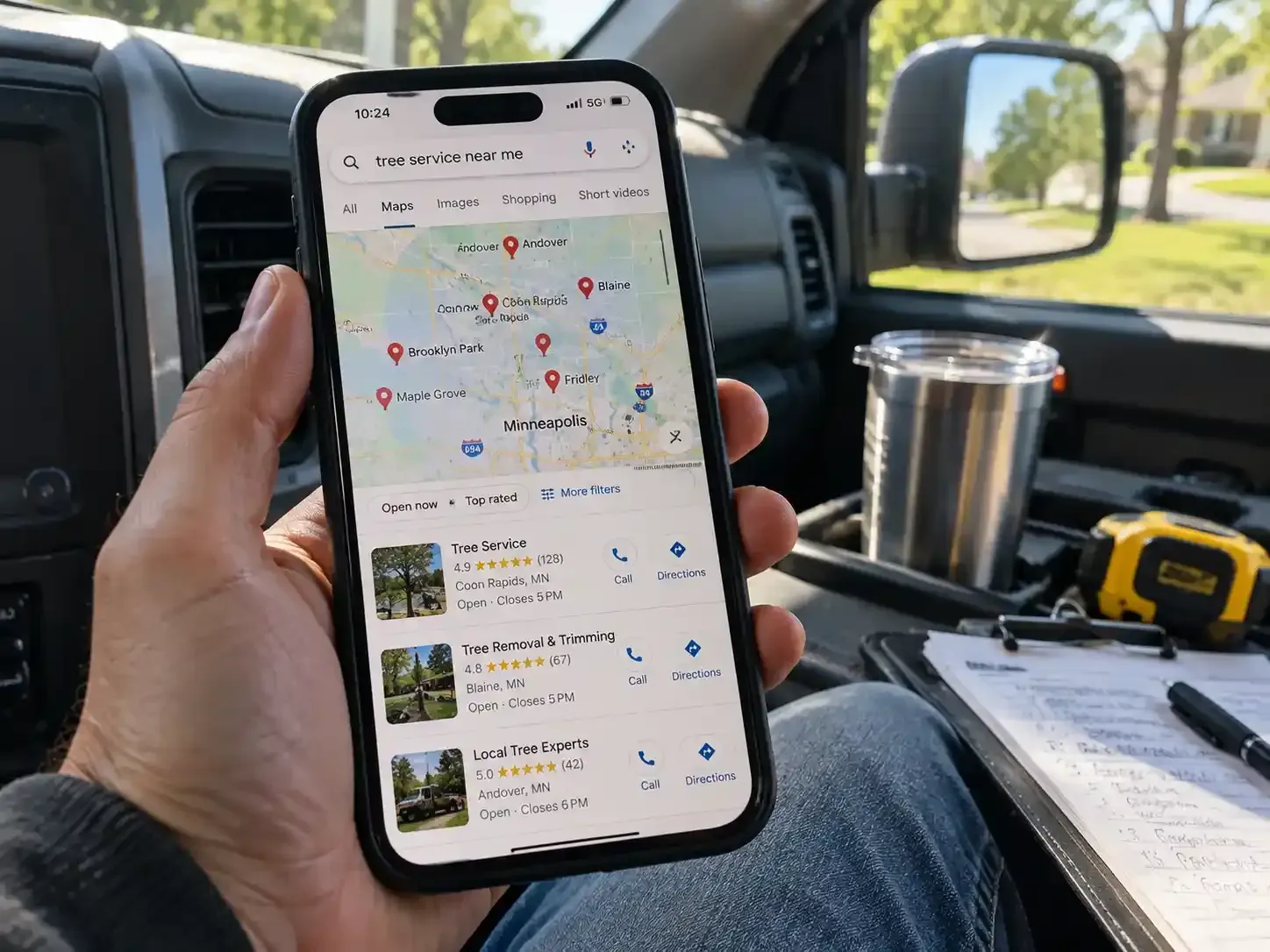
When a potential customer discovers your business through Google Maps, they may review your business description, services, photographs, customer reviews, operating hours, and website before deciding what to do next. This makes your Google Business Profile an important part of the customer decision-making process. A complete and accurate profile can help customers understand what you offer, where you provide services, and how to contact you. An incomplete profile may leave important questions unanswered. Businesses throughout Coon Rapids and the Twin Cities can benefit from regularly reviewing their Google Business Profiles to ensure that the information customers see is accurate, helpful, and consistent with their other marketing materials.
Can Google Business Profile Management Help Attract More Customers?
Professional Google Business Profile management focuses on keeping your business information accurate, relevant, and useful to potential customers. This may include updating business categories, services, descriptions, photographs, business hours, and other available profile features. Regular management can also involve publishing updates, monitoring customer reviews, and identifying opportunities to improve the quality of your listing. Google considers relevance, distance, and prominence when determining local search rankings, so no agency can guarantee a particular position in Google Maps. However, maintaining an accurate and complete profile can help customers better understand your business and make informed decisions about contacting you.
Why Are Competitors Getting Calls When You Offer the Same Services?
Two businesses may provide nearly identical services but create very different impressions online. One company might have a detailed Google Business Profile, a professional website, recent customer reviews, and active social media accounts. Another may have limited information, outdated photographs, and a website that hasn't been updated in years. Even when both companies offer excellent service, customers have more information available to evaluate the first business. This doesn't mean that every customer will choose the company with the strongest online presence, but it demonstrates why consistent digital marketing matters. Businesses that clearly communicate their services and establish credibility may be better positioned to convert interested searchers into leads.
How Important Are Google Reviews When Customers Compare Businesses?
Google reviews can influence how potential customers perceive your business before they ever speak with you. When comparing local service providers, customers may look at the number of reviews, overall ratings, how recently reviews were posted, and what previous customers say about their experiences. They may also notice whether the business responds professionally to feedback. A company with detailed, authentic customer reviews can provide useful information about service quality, communication, and reliability. Businesses should encourage genuine customer feedback without offering incentives or attempting to manipulate ratings. A consistent reputation management strategy can help make review requests and responses part of normal business operations.
What Is Online Reputation Management?
Online reputation management involves monitoring, responding to, and learning from customer feedback across relevant online platforms. For local businesses, Google reviews are often an important component, but feedback may also appear on Facebook and industry-specific websites. Reputation management can include developing a process for requesting honest reviews, responding professionally to positive and negative feedback, and identifying recurring customer concerns. The goal isn't to create a perfect-looking reputation or eliminate legitimate criticism. Instead, it's to demonstrate that your business values customer experiences and communicates responsibly. For service businesses in Coon Rapids and throughout Minnesota, a thoughtful reputation management strategy can support customer confidence.
Should You Respond to Every Google Review?
Responding to customer reviews gives businesses an opportunity to acknowledge feedback and demonstrate professionalism. Positive reviews can be answered with genuine appreciation, while negative reviews should be handled calmly and respectfully. A response doesn't need to be lengthy or packed with marketing keywords to be effective. Customers generally want to see that the business listens and takes concerns seriously. Businesses should also avoid sharing private customer information or discussing sensitive details publicly. Consistent, personalized review responses can contribute to a stronger online reputation and show potential customers how your company communicates after a service has been completed.
Can an Outdated Website Cause Customers to Leave?
Your website often becomes the next stop after someone discovers your business through Google or social media. If the website looks outdated, loads slowly, is difficult to navigate, or doesn't clearly explain your services, visitors may leave without contacting you. Many customers browse websites on their phones, making mobile-friendly design especially important. A professional website should help visitors quickly understand what your company does, which areas you serve, and how to request service. Clear navigation, readable content, accurate contact information, and visible calls to action can all make the experience easier. Website design should focus on helping customers take the next step rather than simply making a page look attractive.
What Should Every Small Business Website Include?
A small business website should clearly communicate the company's services, service area, contact information, and reasons customers may want to choose it. Depending on the business, useful features may include individual service pages, project photographs, customer testimonials, frequently asked questions, and convenient contact forms. Mobile usability and accessibility are also important considerations. Visitors shouldn't have to search through several pages to find a phone number or understand whether the business serves their location. For contractors and service providers throughout the Twin Cities, a well-organized website can help answer common customer questions before the first phone call.
Why Does Website Design Matter for Local SEO?
Website design and local search engine optimization work together because a website must be both useful to visitors and understandable to search engines. Clear page structure, descriptive headings, relevant service information, mobile-friendly layouts, and internal links can help organize content. Technical issues such as broken links, inaccessible pages, or poor mobile performance may interfere with the user experience. A well-designed website also gives businesses opportunities to explain their services in greater detail than a Google Business Profile allows. Effective website design considers appearance, functionality, content, and search visibility together rather than treating them as unrelated tasks.
What Is Local SEO and Why Does Your Business Need It?
Local search engine optimization, commonly called local SEO, focuses on helping businesses become more discoverable in relevant searches connected to specific geographic areas. For a service business in Coon Rapids, this might include searches for its services in Coon Rapids, Blaine, Anoka, or other communities it genuinely serves. Local SEO can involve improving website content, maintaining consistent business information, optimizing service pages, and strengthening the overall usefulness of a business's online presence. Search engines use many signals to determine which results are relevant, so local SEO isn't a one-time task or a guaranteed shortcut to first place. It is an ongoing process of making your business easier for search engines and customers to understand.
How Do Google Business Profile Management and Local SEO Work Together?
Google Business Profile management and local SEO are closely connected, but they aren't exactly the same service. Your Google Business Profile helps customers discover and evaluate your business within Google's local search and Maps experiences. Local SEO also involves improving your website and other relevant information available across the internet. When your profile and website accurately describe the same services, business identity, and service areas, customers encounter a more consistent experience. For example, a roofing contractor may have roofing services listed on its Google Business Profile while its website provides detailed information about roof repairs, replacements, and inspections. Both resources help explain the business, but each serves a different purpose.
Can Local SEO Help Businesses Reach Customers in Multiple Twin Cities Communities?
Businesses that serve several communities can use local SEO to explain their geographic coverage and the services available in those areas. A company operating from Coon Rapids may also serve Blaine, Andover, Anoka, Ramsey, Champlin, Brooklyn Park, Maple Grove, and other Twin Cities communities. Its website can provide useful information about these services and locations without creating dozens of nearly identical pages. Google Business Profile service areas should also reflect the locations the business genuinely serves and comply with Google's guidelines. Effective local SEO focuses on accurate information and meaningful content rather than simply repeating city names throughout a website.
Why Isn't Posting on Social Media Enough to Grow a Business?
Social media can help businesses connect with customers, showcase completed projects, share updates, and build familiarity with their brands. However, posting on Facebook or Instagram doesn't automatically mean that potential customers will see the content or contact the business. Organic reach can vary, and social media platforms use algorithms that influence which posts appear in people's feeds. Businesses also need to consider whether their content is relevant, consistent, and useful to their intended audience. Social media works best when it supports a broader marketing strategy that includes a professional website, accurate business information, local search visibility, and customer reputation.
What Does Professional Social Media Management Include?
Social media management involves planning, creating, publishing, and monitoring content that represents a business consistently. Depending on the company's goals, this may include service highlights, project photographs, educational posts, seasonal reminders, company updates, and customer engagement. A good social media strategy should reflect the business's actual services and communicate in a way that feels natural to its audience. Professional management can also help maintain a regular posting schedule and reduce the time business owners spend managing multiple platforms. While social media results vary by industry and audience, consistent management can support brand recognition and keep customers informed about the business.
Can Social Media Help Customers Trust a Local Service Business?
Social media can give potential customers a closer look at the people, work, and everyday activity behind a company. For example, a landscaping business might share photographs of completed projects, while a remodeling contractor could highlight the progress of a renovation. These posts can help customers understand the company's capabilities and personality. An active social media presence may also reassure visitors that the business is operating and engaged with its customers. However, posting frequently is less important than sharing accurate, relevant content. Businesses should avoid making exaggerated claims or publishing misleading photographs simply to attract attention.
Why Should Your Website and Social Media Pages Match?
Consistency across marketing platforms helps customers recognize your business and understand what it offers. If your website lists one phone number while your social media page displays another, customers may become confused or question whether the information is current. Similar problems can occur when service descriptions, business names, or operating hours differ across platforms. Consistent branding, contact information, and messaging create a more organized experience. This doesn't mean every platform should contain identical content. Instead, each should communicate accurate information while serving its particular purpose within your marketing strategy.
How Can Reputation Management Support Social Media Marketing?
Customer feedback can provide useful insights into what people appreciate about a business and which concerns deserve attention. With appropriate permission, businesses may be able to share customer testimonials or highlight positive experiences through social media. Review responses can also demonstrate how the company communicates with customers. However, businesses should never invent testimonials, misrepresent feedback, or pressure customers to leave positive reviews. Reputation management and social media management can complement one another by helping a business communicate its values and customer experiences consistently. Both should emphasize authenticity and professional communication.
Why Do Customers Research Businesses Before Calling?
Customers often want reassurance before inviting a contractor into their home, scheduling an appointment, or spending money on a service. Online research allows them to compare providers, learn about services, review previous customer experiences, and evaluate whether a company appears legitimate. Depending on the type of service, customers may visit several websites or business profiles before making contact. A strong online presence helps answer their questions at different stages of the decision-making process. When business information is difficult to find or inconsistent, customers may choose a competitor that makes the process easier.
What Is the Difference Between Getting Website Traffic and Getting Leads?
Website traffic refers to visits to your website, while leads generally involve potential customers taking actions such as calling, submitting a contact form, or requesting an estimate. A business can attract website visitors without generating many inquiries if the content doesn't match what those visitors need or if contacting the business is difficult. For example, a service page might receive traffic but fail to explain the service clearly or display a convenient contact option. Effective digital marketing considers both visibility and conversion. Businesses should evaluate whether their marketing attracts relevant visitors and whether those visitors can easily take the next step.
How Can You Tell Which Marketing Services Are Working?
Measuring digital marketing performance involves looking at indicators that relate to business goals. Google Business Profile performance data may provide information about certain customer interactions, while website analytics can help businesses understand traffic sources and visitor behavior. Social media platforms offer engagement and reach metrics, and customer inquiries can provide additional information about where leads originate. No single number tells the entire story. A business may receive more website visits without increasing qualified inquiries, or it may generate valuable leads from a relatively small audience. Tracking meaningful results over time helps business owners make more informed marketing decisions.
Should Small Businesses Manage Their Own Digital Marketing?
Some business owners successfully manage their own Google Business Profiles, websites, social media accounts, and customer reviews. However, maintaining several marketing channels requires time, consistency, and familiarity with different platforms. A business owner who spends the day serving customers may have limited time to update website content, respond to reviews, publish social media posts, and monitor local search visibility. Professional digital marketing management can help reduce that workload and provide a more coordinated approach. Whether outsourcing is worthwhile depends on the company's budget, internal resources, marketing goals, and the complexity of its online presence.
Why Is Consistent Digital Marketing Better Than Occasional Updates?
Digital marketing is an ongoing process because businesses change, customer expectations evolve, and online platforms regularly update their features. A website built several years ago may need content updates, while a Google Business Profile may require new service information or revised operating hours. Social media accounts can become inactive, and unanswered reviews may accumulate. Occasional marketing efforts can still provide value, but consistent attention makes it easier to identify problems and maintain accurate information. A coordinated management strategy helps businesses keep their online presence useful and relevant throughout the year.
Do Small Businesses Need All Five Digital Marketing Services?
Not every business needs the same level of investment in Google Business Profile management, social media management, website design, local SEO, and reputation management. The right combination depends on the company's industry, existing online presence, customer acquisition process, and goals. A new business without a website may need to establish a professional online foundation first. An established company with a strong website but limited Google Maps visibility may benefit from additional local SEO and profile management. Another business may already attract plenty of inquiries but need help maintaining customer reviews or social media activity. Evaluating the current situation can help determine which services deserve priority.
How Do These Five Marketing Services Work Together?
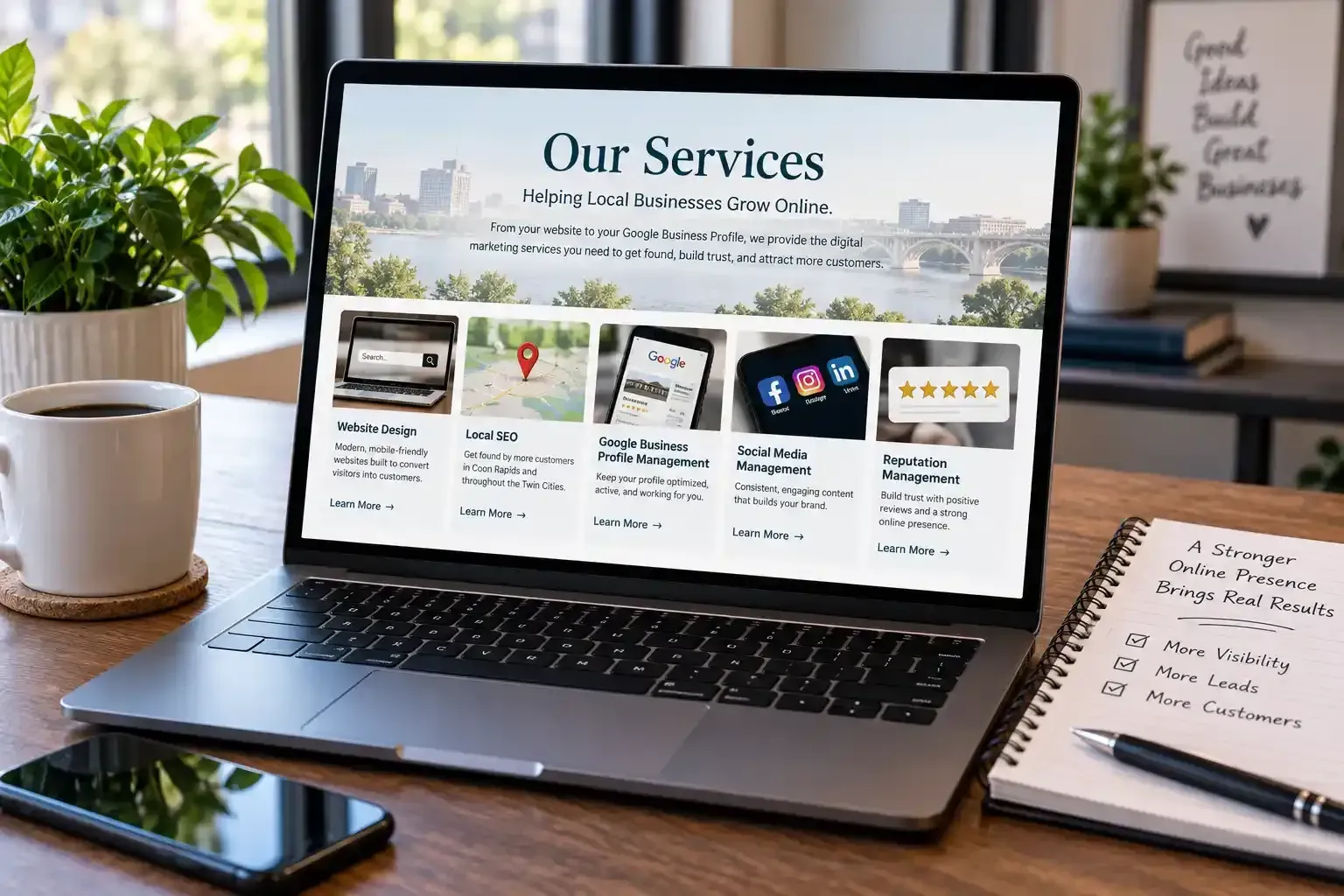
Google Business Profile management helps customers discover and evaluate your company through Google's local search experiences. Local SEO supports the visibility and relevance of your website and other business information. Website design gives customers a place to learn more about your services and contact you. Social media management helps maintain engagement, showcase your work, and reinforce your brand. Reputation management supports the way your business collects and responds to customer feedback. Each service has a different role, but they can reinforce one another when the information and messaging remain consistent. A coordinated strategy helps create a more complete customer experience from initial discovery through the decision to make contact.
What Should You Look for When Hiring a Digital Marketing Agency?
When evaluating a digital marketing agency, business owners should look for clear communication, realistic expectations, transparent pricing, and a practical understanding of their industry. Ask which services are included, how updates will be handled, and what performance information will be available. Be cautious of agencies promising guaranteed first-place Google rankings or immediate results, because search performance depends on factors no agency can fully control. A reliable marketing partner should explain its recommendations in understandable terms and help prioritize services based on your business goals. The best arrangement is one where you understand what work is being performed and why it matters.
How Can Northstar Digital Management Help Your Business Grow Online?
Northstar Digital Management provides Google Business Profile management, social media management, website design, local SEO, and reputation management for businesses throughout Coon Rapids, Blaine, Andover, Anoka, the Twin Cities, and across the United States. Our digital marketing services are designed to help small businesses establish a professional online presence, maintain accurate information, improve their opportunities to be discovered, and make it easier for potential customers to learn about their services. Whether you're starting a new business, updating an outdated website, or looking for more consistent marketing management, we can help identify practical opportunities based on your company's needs.
Ready to Improve Your Business's Online Presence?
If potential customers are finding your business online but aren't contacting you, it may be time to evaluate the entire customer experience. Your Google Business Profile, website, social media pages, local SEO, and online reputation all contribute to how people discover and assess your company. Northstar Digital Management helps businesses bring these important pieces together through professional digital marketing services tailored to their needs. Based in Coon Rapids, Minnesota, and serving clients nationwide, we work with businesses that want a stronger, more consistent online presence. Contact Northstar Digital Management today to discuss your marketing goals and learn how our services can support your business.